Silikonfugen vs. Fliesenprofile: Die beste Wahl für dein Zuhause

Silicone joints vs. tile profiles: The best choice for your home

Anyone planning a new bathroom or carrying out renovations will sooner or later be faced with the question: how should the transitions between tiled surfaces and adjacent components be designed? This is not just a question of aesthetics – functionality, maintenance and durability also play a decisive role. There are fundamental differences between silicone joints and fixed tile profiles, which can have a significant impact depending on the installation situation. This article will help you find the right finish for your project – well-founded, practical and to the point.

Silicone joints

Let's first take a deep dive into the world of grout – this often overlooked yet essential part of our tiling projects. What exactly is grout and why is it so important? In particular, we'll take a closer look at silicone grout and why it may not be the best choice over time. But don't worry, we'll also present a smart alternative.

What exactly are joints?

Joints are narrow gaps or crevices between two adjacent building elements, especially tiles. In the world of tiling, joints serve to fill the space between tiles and create a connection. These gaps can vary and are crucial to the function and appearance of tile coverings.

There are several reasons for the presence of joints:

  • Movement compensation: Joints allow tiles to expand and contract during temperature fluctuations or structural movements without cracking.
  • Prevention of tension: Joints minimise tension between tiles, especially in areas where different materials meet or where structural irregularities are unavoidable.
  • Water drainage: Joints serve as channels for water drainage and prevent moisture from getting under the tiles.
  • Visual aspects: Joints have a significant impact on the appearance of a tiled surface. The choice of joint colour and width can shape the overall look and add accents.

What types of joints are there?

A distinction is made between cement joints, epoxy resin joints and elastic joints such as silicone joints, among others. Each type has specific advantages and disadvantages, depending on the area of application and the stresses to which it is subjected.

Overall, joints are more than just empty spaces – they serve important functional and design purposes in the world of tile laying.

Silicone joints and their challenges

Silicone joints are special joints created using silicone as a sealing material. Silicone caulk is an elastic and water-repellent material that is well suited for joints. It is used in the form of silicone rubber or sealants.

They are naturally water-repellent and are therefore often used in areas with high humidity or exposure to water. These are primarily bathrooms, kitchens, shower cubicles, but also window and door frames. The elasticity of silicone allows it to absorb movement and expansion in building components without cracking. This makes it particularly effective in areas subject to temperature fluctuations or structural changes.

Despite their many advantages, silicone joints can pose certain challenges over time. Yellowing, cracking or mould growth are potential problems that can occur, especially in damp environments. This not only affects the appearance, but also the functionality.

Refresh silicone joints or find alternatives?

Has your silicone joint yellowed or cracked? Are you faced with the decision of whether to refresh your silicone joints or look for better alternatives? This is where our tile profiles come in.

Tile profiles as a well-thought-out alternative

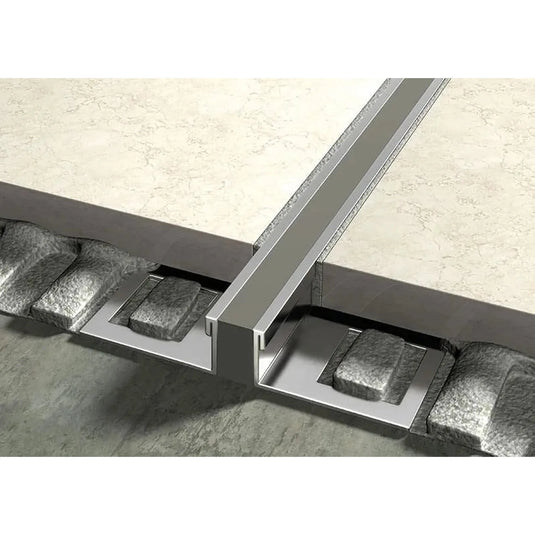
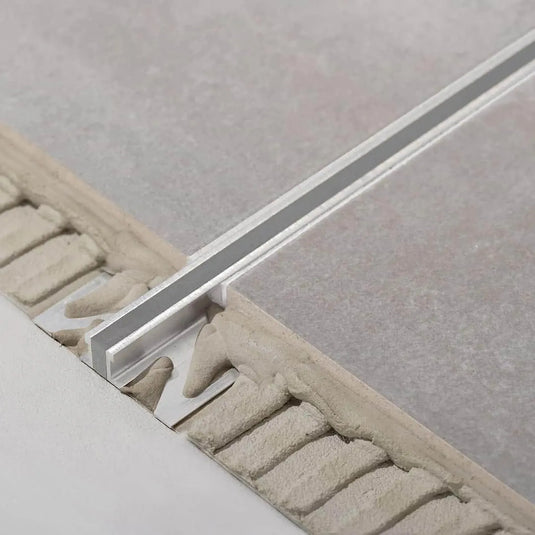
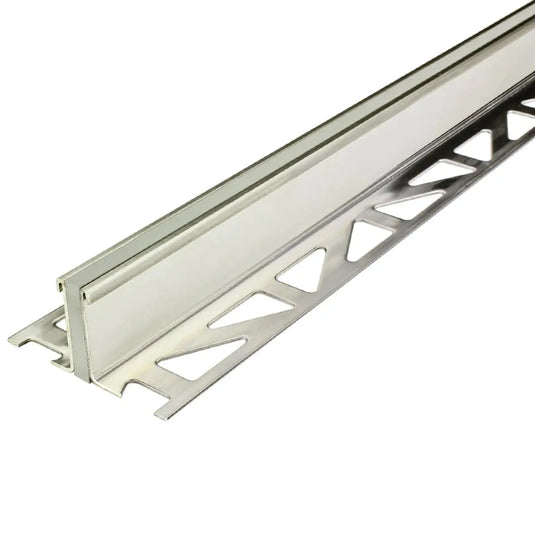
Our wall connecting profiles, expansion joint profiles and skirting boards are not only an attractive alternative, but also offer a number of functional advantages. They can not only cover unsightly silicone joints, but also replace them entirely.

What are the long-term benefits of our profiles?

Tile trims are low-maintenance, resistant to mould, durable and visually versatile. They therefore offer a sustainable and modern solution compared to conventional elastic joints.

‘Comparison silicone joints vs tile trims

Conclusion

If you are looking for a long-term solution that is not only functional but also visually appealing, our tile profiles can be a superior alternative to traditional silicone joints. With their durability, easy maintenance and versatile designs, they offer a smart way to optimise your tile projects and give them a timeless look.
Matching products to the report

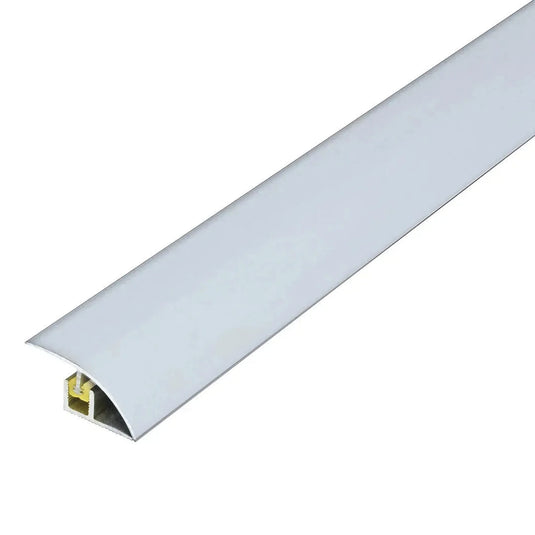
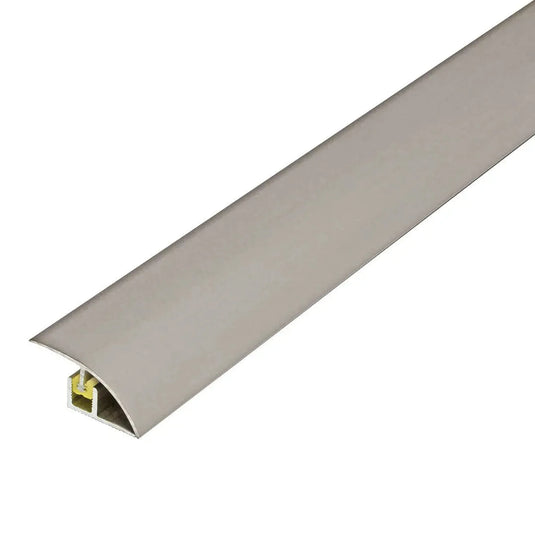
Zbliżenie srebrnego anodyzowanego profilu wykończeniowego CLIP. Profil dolny, żółty klips i profil górny #A0003690 #A0003691Zbliżenie tytanowego anodyzowanego profilu wykończeniowego CLIP. Profil dolny, żółty klips i profil górny #A0003696 #A0003697
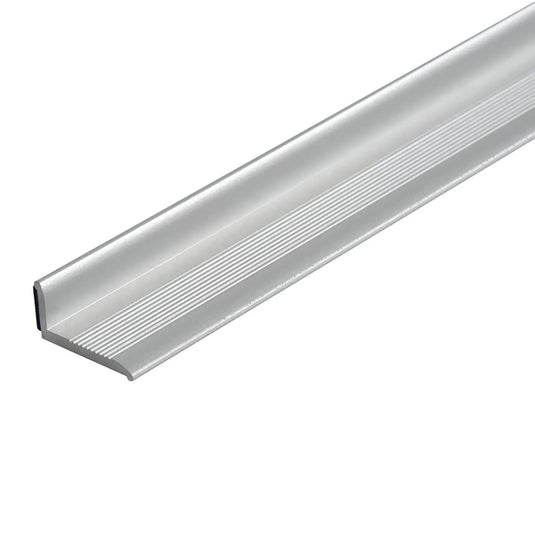
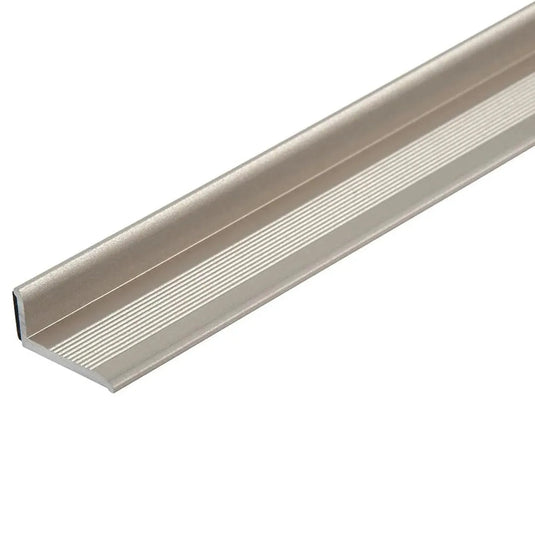
Profil wykończeniowy VARIO L-kształtny samoprzylepny w kolorze srebrnym z ryflowanym ramieniem #A0002858Profil wykończeniowy VARIO L-kształtny samoprzylepny w kolorze tytanowym z ryflowanym ramieniem #A0002860
Sale
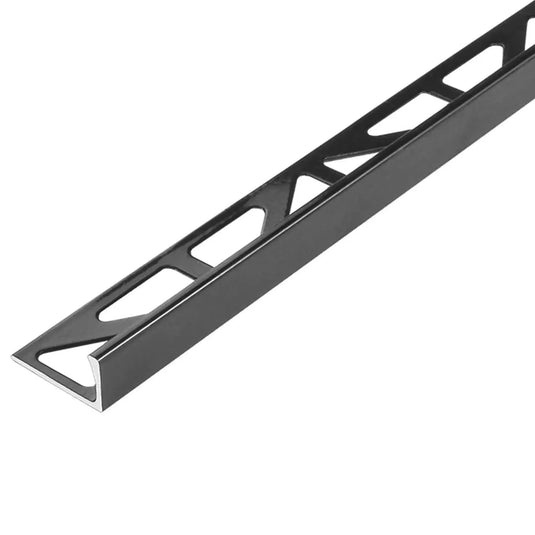
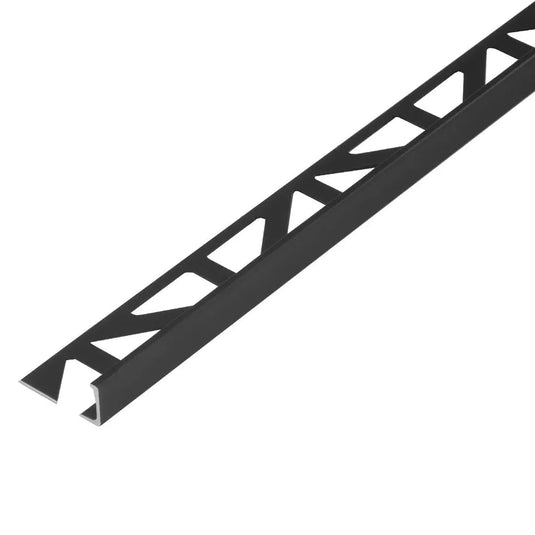
Zdjęcie szczegółowe profilu kątowego DURAL z aluminium czarnego malowanego proszkowo o błyszczącym wykończeniu i perforacji trójkątnej #A0002817 #A0002818 #A0002819 #A0002820 #A0002821Zbliżenie profilu kątowego DURAL z aluminium czarnego malowanego proszkowo o matowym wykończeniu i perforacji trójkątnej #A0002812 #A0002813 #A0002814 #A0002815 #A0002816
Bestseller
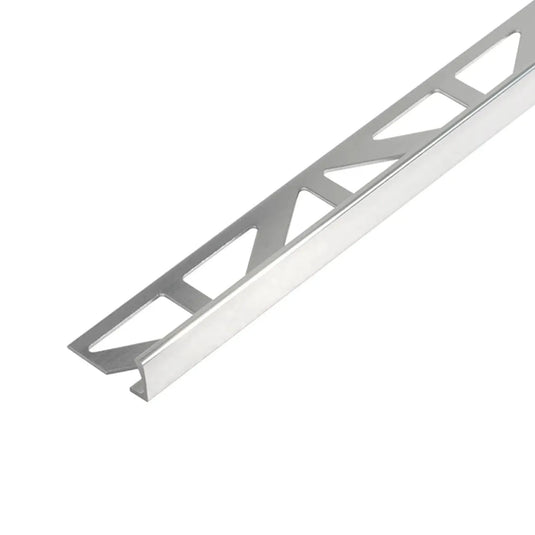
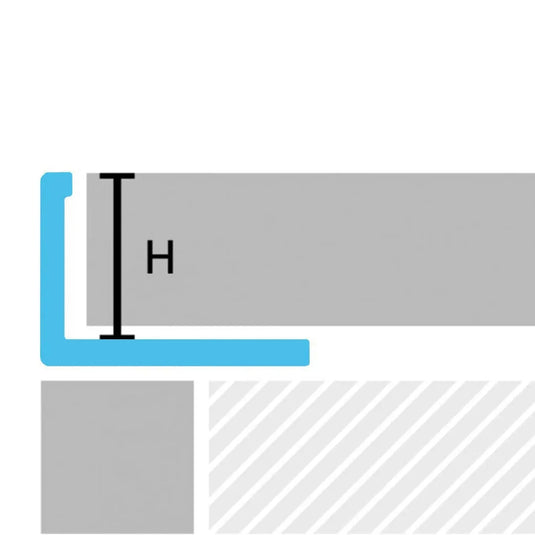
Zbliżenie profilu kątowego DURAL z aluminium anodyzowanego na srebrno o matowym wykończeniu i perforacji trójkątnejDwuwymiarowy rysunek techniczny profilu kątowego z zaznaczoną wysokością H
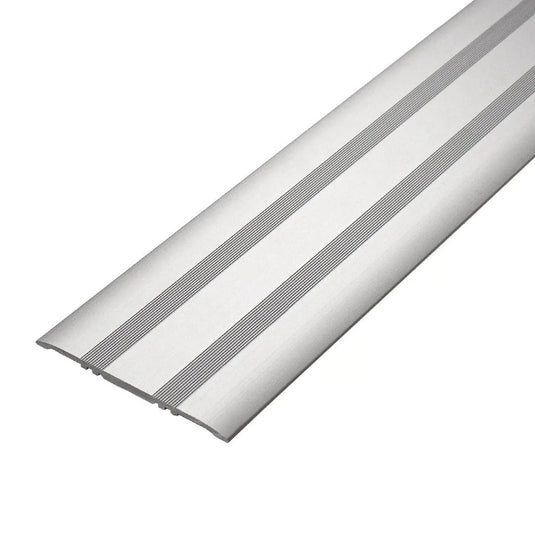
Zbliżenie srebrnego profilu maskującego z ryflowaną powierzchnią #A0002922 #A0002926 #A0002930 #A0002934Zbliżenie srebrnego profilu maskującego o matowej powierzchni #A0002921 #A0002925 #A0002929 #A0002933
Sale
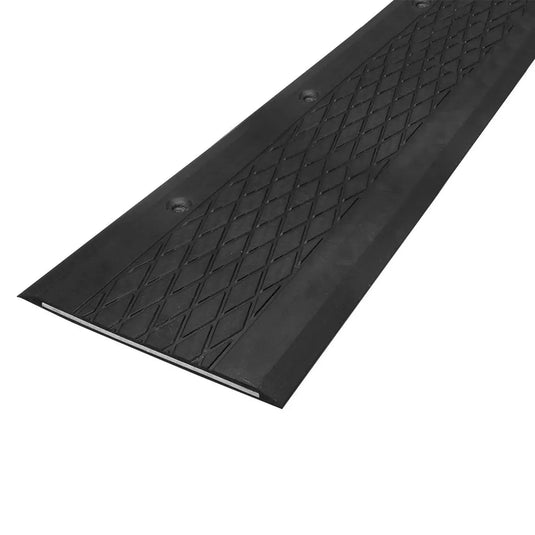
Profil maskujący ze stali nierdzewnej z czarną osłoną gumową. Osłona jest jednostronnie nawiercona i wyposażona w środku we wzór.Hala magazynowa z zamontowanym profilem maskującym ze stali nierdzewnej z czarną osłoną gumową. Na profil najeżdża wózek widłowy.
Sale
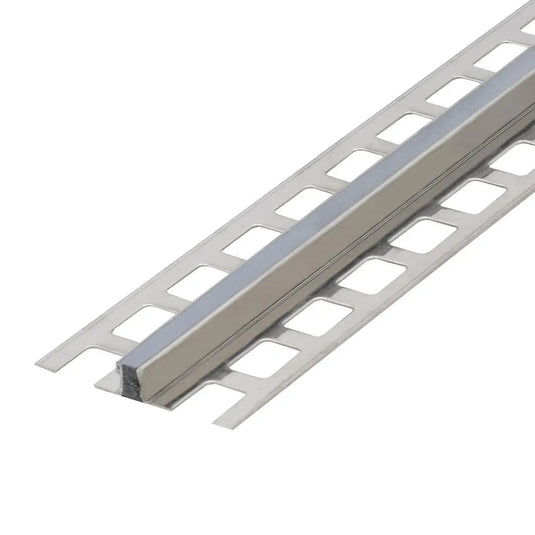
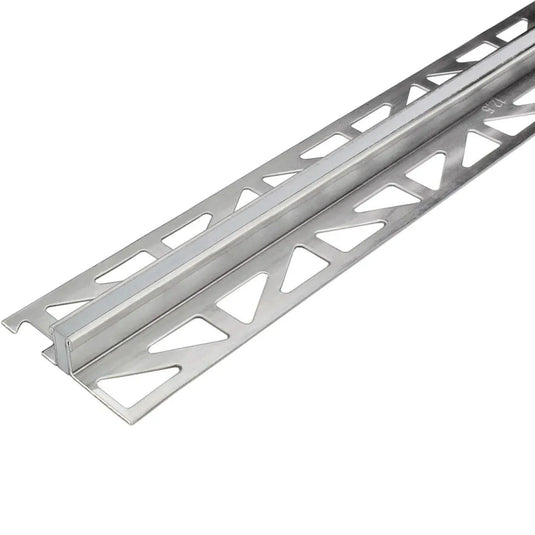
Zbliżenie profilu dylatacyjnego ze stali nierdzewnej z dwoma perforowanymi ramionami i szarą wkładką EPDMZamontowany profil dylatacyjny ze stali nierdzewnej z płytką ułożoną do połowy. Druga połowa ukazuje perforowane ramiona w warstwie kleju
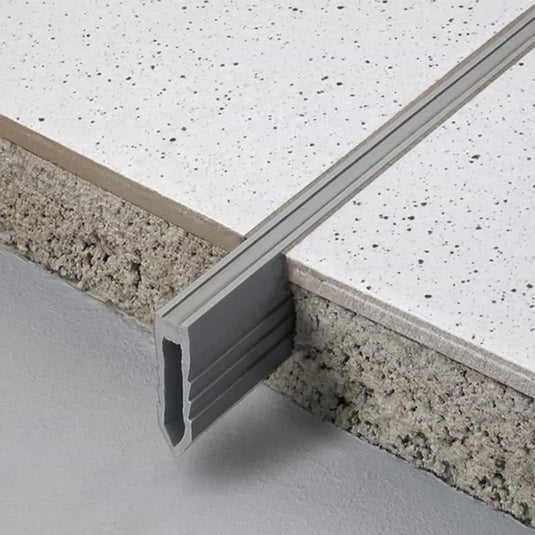
Zbliżenie wąskiego klinowego profilu dylatacyjnego PVC do grubego łożaProfil dylatacyjny PVC zamontowany w grubym łożu. Krótki odcinek nie jest osadzony w łożu
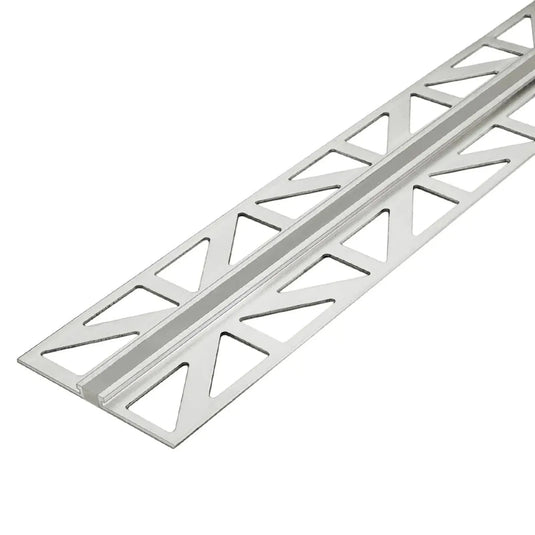
Profil dylatacyjny DURAL z aluminium z szarą wkładką EPDM i dwoma ramionami z perforacją trójkątnąProfil dylatacyjny DURAL z aluminium zamontowany pod szarymi płytkami. Część profilu leży odsłonięta w warstwie kleju
Profil dylatacyjny DURAL ze stali nierdzewnej z szarą wkładką EPDM, dwoma ramionami z perforacją trójkątną i niską wkładką #A0004643 #A0004644 #A0004645 #A0004635 #A0004636 #A0004637Profil dylatacyjny DURAL ze stali nierdzewnej z szarą wkładką EPDM, dwoma ramionami z perforacją trójkątną i wysoką wkładką #A0004639 #A0004640 #A0004641 #A0004642
icon
icon

Matching products to the report

Zbliżenie srebrnego anodyzowanego profilu wykończeniowego CLIP. Profil dolny, żółty klips i profil górny #A0003690 #A0003691Zbliżenie tytanowego anodyzowanego profilu wykończeniowego CLIP. Profil dolny, żółty klips i profil górny #A0003696 #A0003697
Profil wykończeniowy VARIO L-kształtny samoprzylepny w kolorze srebrnym z ryflowanym ramieniem #A0002858Profil wykończeniowy VARIO L-kształtny samoprzylepny w kolorze tytanowym z ryflowanym ramieniem #A0002860
Sale
Zdjęcie szczegółowe profilu kątowego DURAL z aluminium czarnego malowanego proszkowo o błyszczącym wykończeniu i perforacji trójkątnej #A0002817 #A0002818 #A0002819 #A0002820 #A0002821Zbliżenie profilu kątowego DURAL z aluminium czarnego malowanego proszkowo o matowym wykończeniu i perforacji trójkątnej #A0002812 #A0002813 #A0002814 #A0002815 #A0002816
Bestseller
Zbliżenie profilu kątowego DURAL z aluminium anodyzowanego na srebrno o matowym wykończeniu i perforacji trójkątnejDwuwymiarowy rysunek techniczny profilu kątowego z zaznaczoną wysokością H
Zbliżenie srebrnego profilu maskującego z ryflowaną powierzchnią #A0002922 #A0002926 #A0002930 #A0002934Zbliżenie srebrnego profilu maskującego o matowej powierzchni #A0002921 #A0002925 #A0002929 #A0002933
Sale
Profil maskujący ze stali nierdzewnej z czarną osłoną gumową. Osłona jest jednostronnie nawiercona i wyposażona w środku we wzór.Hala magazynowa z zamontowanym profilem maskującym ze stali nierdzewnej z czarną osłoną gumową. Na profil najeżdża wózek widłowy.
Sale
Zbliżenie profilu dylatacyjnego ze stali nierdzewnej z dwoma perforowanymi ramionami i szarą wkładką EPDMZamontowany profil dylatacyjny ze stali nierdzewnej z płytką ułożoną do połowy. Druga połowa ukazuje perforowane ramiona w warstwie kleju
Zbliżenie wąskiego klinowego profilu dylatacyjnego PVC do grubego łożaProfil dylatacyjny PVC zamontowany w grubym łożu. Krótki odcinek nie jest osadzony w łożu
Profil dylatacyjny DURAL z aluminium z szarą wkładką EPDM i dwoma ramionami z perforacją trójkątnąProfil dylatacyjny DURAL z aluminium zamontowany pod szarymi płytkami. Część profilu leży odsłonięta w warstwie kleju
Profil dylatacyjny DURAL ze stali nierdzewnej z szarą wkładką EPDM, dwoma ramionami z perforacją trójkątną i niską wkładką #A0004643 #A0004644 #A0004645 #A0004635 #A0004636 #A0004637Profil dylatacyjny DURAL ze stali nierdzewnej z szarą wkładką EPDM, dwoma ramionami z perforacją trójkątną i wysoką wkładką #A0004639 #A0004640 #A0004641 #A0004642
icon
icon

Anything else to read?

Oben sieht man die Oberfläche von silbernem Metalll. Unten ist eine PVC Sockelleiste zu sehen. In der Mitte steht ein VS.
Tile rails - metal or plastic

Tile rails play a crucial role in the design...