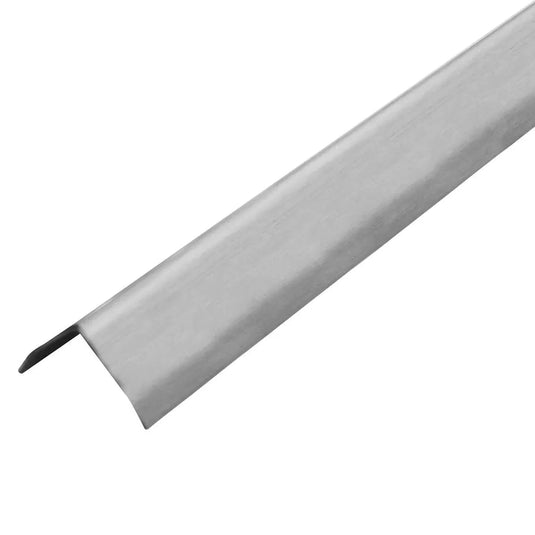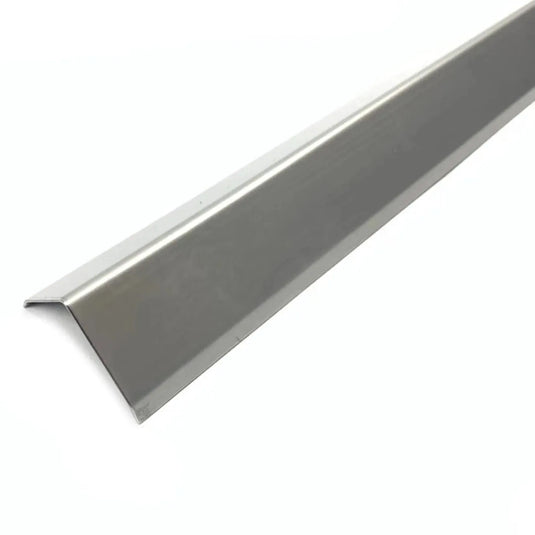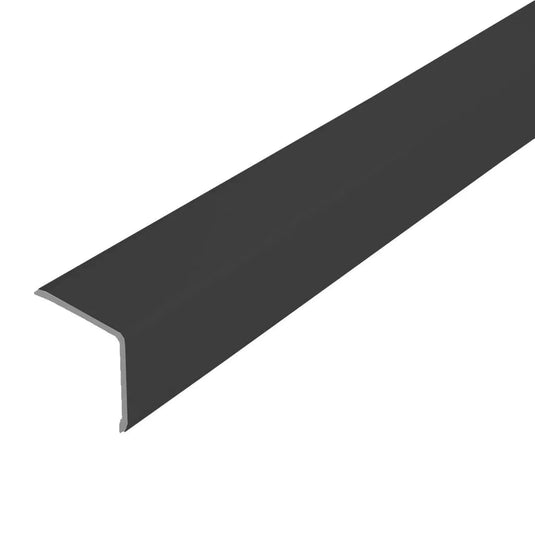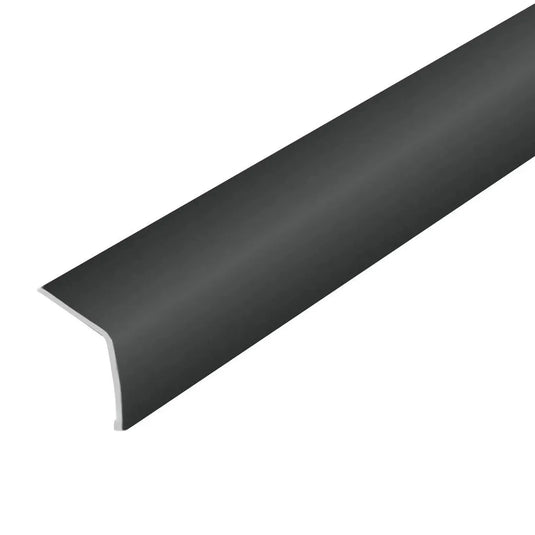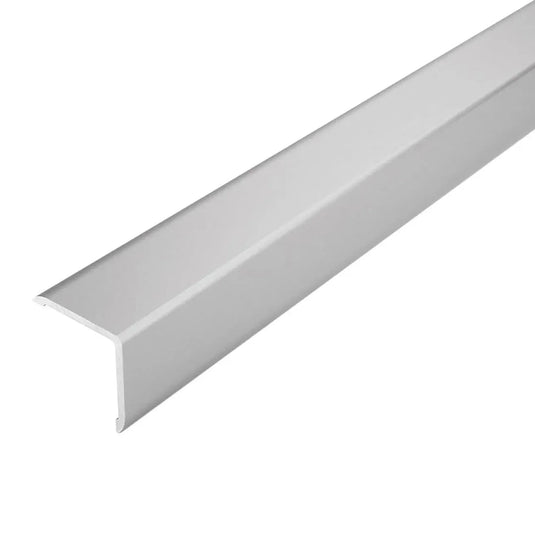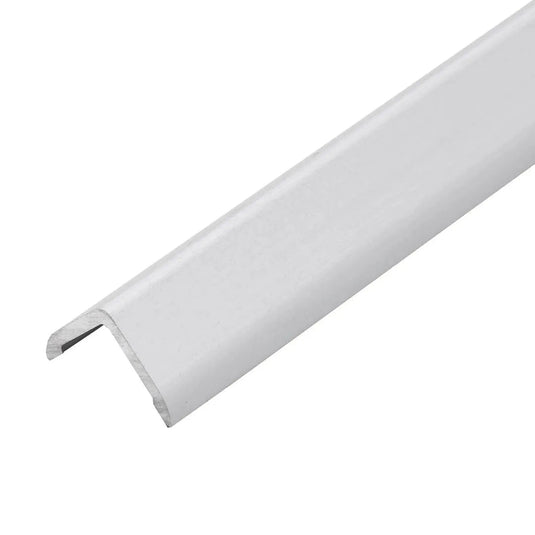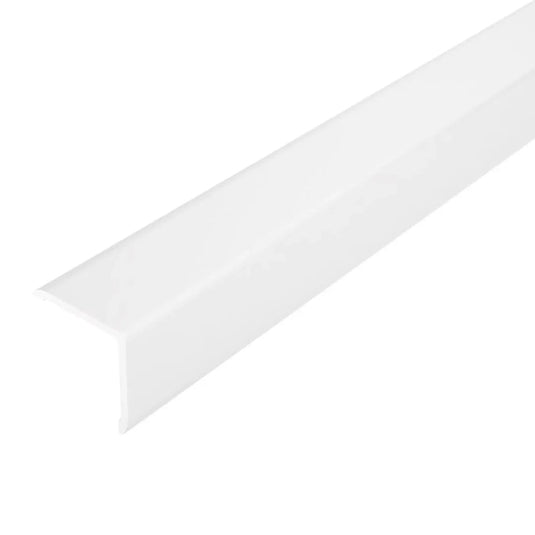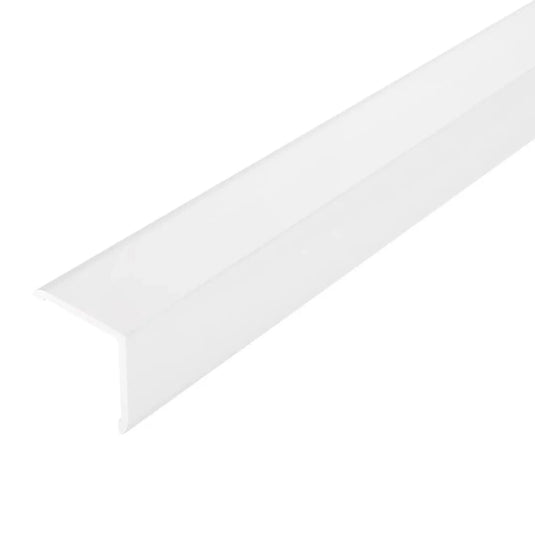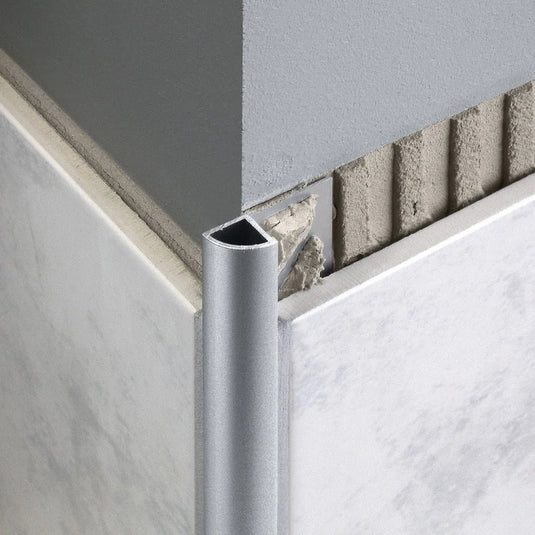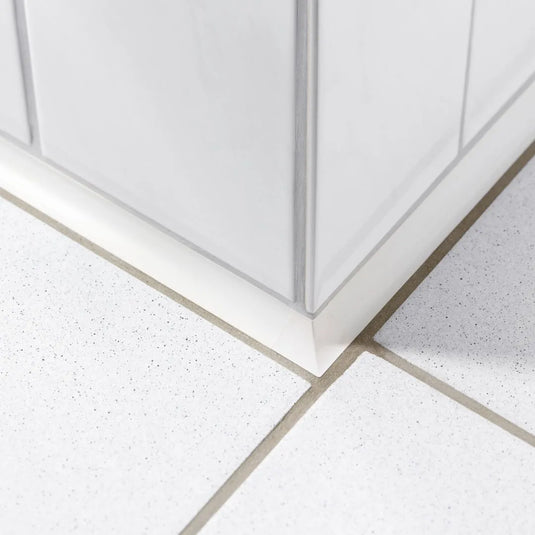
Wall edge protection is a simple yet highly effective solution for preserving buildings from damage in the long run. In high-traffic areas such as corridors, stairwells or public buildings, wall corners and edges quickly suffer from wear and tear. A quality wall corner guard made of aluminium or stainless steel reliably protects vulnerable edges against impacts, abrasion and general deterioration.
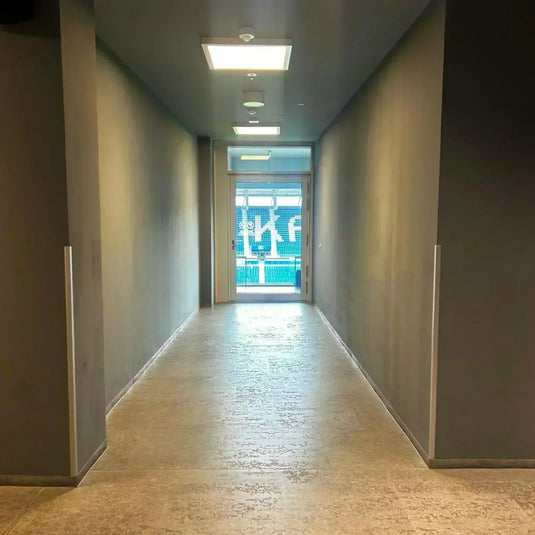
Beyond their functional benefit, modern corner protectors also contribute to a high-quality interior finish. A prime example is the KSC stadium project, where durable aluminium edge protection was installed to permanently safeguard heavily frequented corridors.
What is wall edge protection? – Definition and applications
Wall edge protection is a general term for profiles that shield wall corners and building edges from mechanical damage. They are commonly referred to as corner guards, edge protection strips or wall protection profiles and are typically made from aluminium, stainless steel or PVC.
Corner guard, edge protector or wall protection profile – what's the difference?
In practice, several terms are often used interchangeably, although they have slightly different meanings.
The term wall edge protection broadly describes all profiles designed to protect edges and corners. Corner guards are typically L-shaped profiles at a 90-degree angle, specifically developed for wall corners. Edge protection strips or wall protection profiles are alternative names for profiles that safeguard wall edges from damage.
Typical forms include L-profiles, U-profiles and angle profiles. These profiles are mounted directly onto the wall edge and provide lasting protection for the most heavily used areas.
Where is corner protection for walls used?
Protecting wall corners is beneficial wherever walls are regularly subjected to stress. Corridors and stairwells in public buildings are the most common applications. Sports venues, stadiums and arenas also use wall protection profiles to prevent damage caused by large crowds.
Other typical areas of use include hotels, office buildings, hospitals, schools and care facilities. Shopping centres, car parks and underground garages also benefit from sturdy wall corner guards in transit areas.
In high-traffic zones, damage occurs quickly due to transport trolleys, wheelchairs, cleaning machines or luggage carts. A robust wall protection profile prevents such damage reliably and keeps walls permanently protected.

What happens without wall edge protection?
Without suitable corner protection, wall edges are particularly susceptible to damage. In areas with heavy foot traffic, chipping and cracks in the plaster appear rapidly.
Typical damage without wall protection profiles
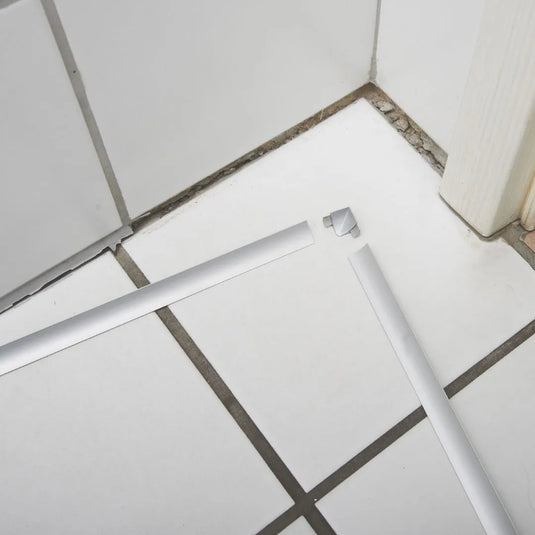
The absence of edge protection frequently leads to damaged wall corners. Typical consequences include flaking plaster, visible cracks or severe abrasion caused by transport trolleys. Damaged corners with potential injury risks can also develop. Furthermore, a damaged wall quickly appears neglected and diminishes the overall impression of a building.
Moisture can also penetrate damaged areas more easily, which in the long term leads to mould growth and further structural damage.
Long-term costs vs. one-off investment
A wall corner guard is a one-off investment that pays for itself over time. Without protection, wall edges need to be regularly repaired or re-plastered. Particularly in buildings with high visitor frequency, this generates recurring maintenance and renovation costs.
A high-quality metal corner protector, on the other hand, lasts many years and significantly reduces maintenance requirements – saving both time and money in the long run.

The benefits of wall corner guards at a glance
Mechanical protection and longevity
A metal edge protector offers significantly more resistance than plastic alternatives. Profiles made from aluminium or stainless steel are particularly impact-resistant, withstand abrasion and are suitable for continuous heavy-duty use.
Aluminium corner guards are especially popular as they combine low weight with high stability. They are easy to install while providing reliable, long-lasting protection.
Hygiene and ease of maintenance
Another advantage of modern wall protection profiles is their smooth surface. They are extremely easy to clean and offer little opportunity for dirt or germs to accumulate.
This is why edge protection profiles are frequently installed in hygienically sensitive environments – hospitals, care facilities, restaurants or sports venues.
Aesthetics and perceived value
Beyond their protective function, design plays an important role. Modern corner guards are available in various finishes and integrate seamlessly into different architectural concepts.
Popular variants include silver anodised aluminium, brushed stainless steel or polished stainless steel. These materials convey a premium feel and blend particularly well with modern architecture, noticeably enhancing the overall appearance of a building.

Aluminium or stainless steel – A material comparison
When it comes to metal wall edge protection, two materials dominate in practice: aluminium and stainless steel. Each has its own specific strengths.
Properties in direct comparison
| Property | Anodised aluminium | Stainless steel |
|---|---|---|
| Weight | Lightweight | Heavier |
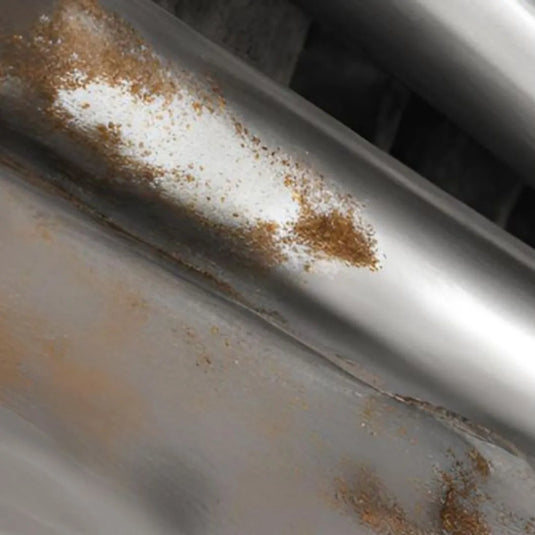
| Corrosion resistance | Good | Very good |
| Appearance | Modern, sleek | Premium, elegant |
| Ease of cutting | Easy to cut | More complex |
| Price | More affordable | Higher |
| Typical use | Corridors, stadiums, offices | Outdoors, catering, hygiene areas |
| Maintenance | Low | Low |
| Recyclability | Fully recyclable | Fully recyclable |
Which material is right for you?
Anodised aluminium corner guards stand out for their low weight and ease of processing. Anodised aluminium profiles are corrosion-resistant and offer a modern look. They are also generally more cost-effective than stainless steel – ideal for interior corridors, stadiums and offices.
Stainless steel corner protectors are particularly robust and extremely corrosion-resistant. This makes them perfect for outdoor areas, catering environments or spaces exposed to high levels of moisture.

How to install corner protectors – Step-by-step guide
How do you fix wall edge protection correctly? There are two common methods: adhesive bonding or screw fixing.
Preparation – Surface and tools
Before installation, the surface should be checked first. Edge protection profiles can be mounted on various substrates – plaster, tiles, concrete or plasterboard.
Typical tools for installation include a spirit level, a drill, suitable wall plugs and mounting adhesive or silicone. For cutting aluminium profiles, a metal saw or angle grinder works well.
Adhesive or screws?
The choice of fixing method depends on the expected level of stress.
Step-by-step installation
- Clean and degrease the surface
- Mark the position with a pencil using a spirit level
- For screw fixing: drill holes and insert wall plugs
- Apply adhesive or silicone (for bonding)
- Press or screw the profile into place and adjust alignment
- Remove excess material, fit cover caps
Professional or DIY?
Individual profiles can easily be installed by experienced DIY enthusiasts. For larger projects – an entire corridor or a stadium, for example – it is advisable to engage a professional to ensure consistent alignment and a flawless result.
Reference project – Edge protection at the KSC stadium
Project overview
The Karlsruher SC stadium is an outstanding example of high-quality aluminium wall edge protection. Aluminium edge protection profiles were installed to permanently protect wall edges in high-traffic areas. The requirements were clear: heavy visitor traffic on match days, a modern appearance, easy cleaning and long-lasting corner protection in corridors and access areas.
Why silver anodised aluminium?
The choice fell on anodised aluminium because this material is particularly resistant to impacts whilst being lightweight. Additionally, the surface is easy to clean and relatively scratch-resistant.
- ✓ Perfectly matches the modern, dark stadium design
- ✓ Robust enough for thousands of visitors per match day
- ✓ Easy to clean after events
- ✓ Significantly lighter than stainless steel – ideal for long corridors
- ✓ Anodised surface is scratch-resistant and corrosion-protected
Insights from the stadium


Buying corner protectors – What should you look out for?
If you're looking to buy metal wall edge protection, there are several factors to consider in order to find the right product for your specific application.
The most important buying criteria
- ✓ Material thickness: For high-stress areas, a minimum thickness of 1.5 mm is recommended.
- ✓ Leg length: Choose to match the wall thickness and installation situation so the profile fits the wall edge optimally.
- ✓ Surface finish: Anodised (aluminium), brushed or polished (stainless steel) depending on the application.
- ✓ Length & cutting: Check standard lengths and whether a custom cutting service is available.
- ✓ Fixing method: Depending on the application, the profile can be bonded or screwed.

Quality edge protection from Tirocco
At Tirocco, you'll find premium corner guards in aluminium and stainless steel, specifically designed for long-lasting wall and edge protection. The profiles stand out thanks to robust materials, precise manufacturing, modern design and straightforward installation. This makes them suitable for professional building applications as well as private renovation projects.
Discover our range of corner guards in stainless steel and aluminium – engineered for the highest demands, as the KSC stadium project demonstrates.
Explore in our online shop